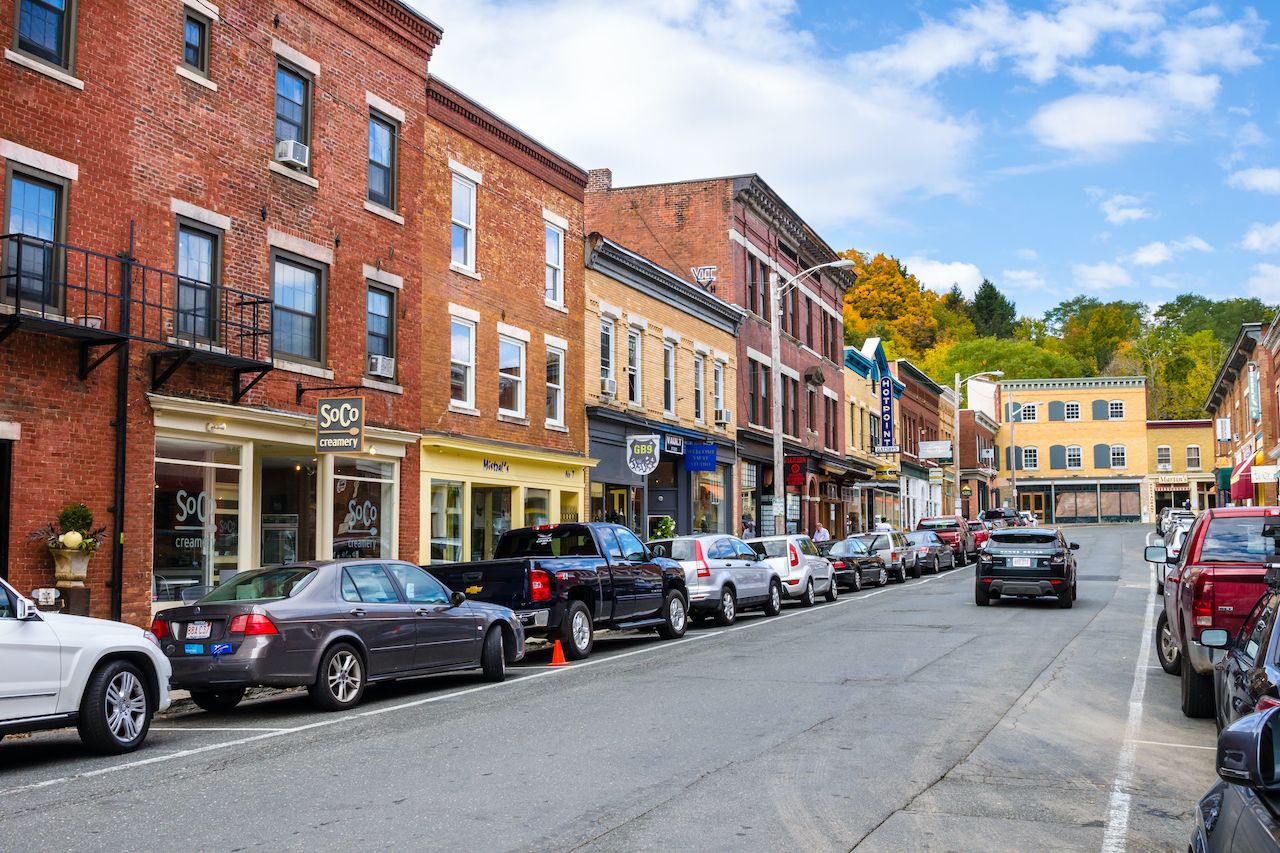
This guide covers what Chelmsford drivers typically pay, what the state requires, which companies show up most often in local quotes, how discounts work, and how to shop without overpaying.
How much is car insurance in Chelmsford?
Published averages for Chelmsford and nearby ZIP codes do not all use the same sample driver, so treat every number as a range, not a promise. Across recent quote studies:
- Chelmsford often lands near or slightly below the Massachusetts statewide average.
- One city-level dataset put a six-month Chelmsford premium around $1,387, versus a state figure near $1,508 and a national figure near $1,278 for that same methodology.
- MarketWatch city tables list Chelmsford around $49 per month for a lower-coverage sample and about $163 per month for a fuller sample, depending on the profile used.
- Statewide, 2026 full-coverage averages commonly fall in a wide band from roughly $99 to $181 per month, and minimum coverage from the mid-$40s to around $100 per month, depending on the data vendor.
The gap between those numbers is normal. A 40-year-old commuting sedan driver with a clean record in 01824 will not price the same as a new driver, a household with two SUVs, or someone with a recent at-fault crash.
What you can take away is simpler: Chelmsford is not Boston or Brockton. Crime is relatively low compared with denser cities, but the I-495 / Route 3 interchange and rush-hour volume still feed claims. That mix usually puts Chelmsford in the “moderate suburban Massachusetts” bucket rather than the cheapest rural towns or the most expensive urban ZIPs.
Why Chelmsford rates look the way they do
Insurers price the garage ZIP, the car, and the driving record. In Chelmsford those inputs collide with a few local facts.
Highways and crash patterns. Route 3 and I-495 carry heavy commuter traffic. Local crash reviews for 2023–2024 found more than 2,000 collisions in town, with peaks around 3–5 p.m. Rear-end crashes were the most common type. Following too closely, speed for conditions, and lane-keeping errors showed up often. The I-495 and Route 3 connector is a known trouble spot, especially in evening congestion.
Weather. Chelmsford winters are cold and snowy. Ice, slush, and road salt raise comprehensive and collision claims: cracked windshields, slide-offs, underbody corrosion that can turn a moderate crash into a total loss on an older car. Fall and spring rain add hydroplaning risk on arterials.
Commute length. Many residents drive toward Lowell, the Route 128 corridor, or Boston. Higher annual mileage and more time on limited-access highways increase exposure.
Vehicle mix. Suburban households often insure newer crossovers and SUVs. Repair costs on those vehicles, plus parts delays, push full-coverage premiums up even when liability-only quotes look modest.
Massachusetts also has rules that change the math compared with most states. Insurers cannot use credit history, gender, marital status, occupation, education, or homeownership to set auto rates. That helps drivers who would be penalized elsewhere for thin or poor credit. It also means companies lean harder on driving record, years licensed, vehicle, and ZIP.
Massachusetts minimum coverage (what Chelmsford drivers must carry)
Massachusetts is a compulsory-insurance, no-fault state. You cannot register or legally drive a vehicle without a policy that includes the required coverages.
As of the mid-2025 update that many 2026 guides now cite, typical compulsory limits are:
- Bodily injury liability: $25,000 per person / $50,000 per accident
- Property damage liability: $30,000 per accident
- Personal injury protection (PIP): $8,000
- Uninsured motorist bodily injury: $25,000 per person / $50,000 per accident
Some consumer sites still list the older 20/40/5 package. Confirm current limits with your agent or the Division of Insurance before you buy. The direction of the 2025 change was upward on liability and property damage.
What each piece does
- Bodily injury liability pays other people if you cause injuries.
- Property damage liability pays for the other driver’s car or property.
- PIP is the no-fault piece. It pays your medical bills, some lost wages (often up to 75% of lost income within the limit), and certain replacement services regardless of who caused the crash, up to $8,000. Massachusetts limits the right to sue for pain and suffering unless injuries meet a legal threshold (commonly a serious injury or medical bills above a set amount).
- Uninsured motorist covers you if the at-fault driver has no insurance or is a hit-and-run.
State minimum is legal. It is often not enough. A serious injury on I-495, or a late-model vehicle you finance, can blow through $25,000 / $30,000 quickly. Lenders and lessors usually require collision and comprehensive as well.
Coverage levels that actually make sense in Chelmsford
Liability-only. Lowest premium. Makes sense for an older paid-off car whose market value is close to or below your deductible. You still must meet state minimums plus PIP and UM.
Full coverage. Liability plus collision and comprehensive. Collision pays for your car after a crash with another vehicle or object. Comprehensive covers theft, vandalism, glass, falling objects, and many weather events. This is the default if you have a loan or lease.
Higher liability limits. Many agents suggest 100/300/100 instead of the legal floor. The extra premium is often smaller than people expect and matters if you have savings, a home, or future wages a lawsuit could reach.
Deductible choice. Raising collision and comprehensive deductibles from $500 to $1,000 can cut the premium. Only do this if you can pay that amount after a winter slide or parking-lot hit.
Optional add-ons worth asking about: rental reimbursement, roadside, gap coverage on a new financed car, and custom-parts coverage if the vehicle is modified.
Companies Chelmsford drivers compare most often
No single carrier is cheapest for every household. Recent Massachusetts and Chelmsford quote tables repeatedly name these names:
- Safety / Safety Group — frequently among the lowest local quotes, especially on some liability samples. Strong Massachusetts footprint.
- Plymouth Rock — often competitive statewide and in suburban Middlesex County; frequently cited as a cheap option for some cities including Chelmsford-area samples.
- GEICO — often near the bottom of statewide full-coverage averages in 2026 shopping studies.
- State Farm — strong for some clean-record profiles; local agents can help with bundling.
- Arbella, Norfolk & Dedham, Vermont Mutual, Hanover — regional carriers that sometimes beat nationals in specific ZIPs.
- Progressive, Travelers, Farmers, Allstate, Amica, USAA — mixed. USAA is typically only for eligible military households. Amica often scores well on service and can be expensive. Allstate quotes in some Chelmsford tables run high.
One aggregator’s Chelmsford company table showed six-month premiums ranging from a few hundred dollars at the low end to several thousand at the high end for the same market. That spread is the reason to get at least three to five quotes, including one regional Massachusetts carrier.
Independent agents who write Safety, Arbella, Plymouth Rock, and Norfolk & Dedham can be useful because they shop several Massachusetts-focused books at once.
How Massachusetts prices a policy (and what it cannot use)
Allowed factors typically include:
- Driving record and at-fault accidents
- Traffic violations
- Years of licensed experience
- Vehicle year, make, model, and safety features
- Annual mileage and how the car is used
- Where the car is garaged (Chelmsford ZIP)
- Coverage limits and deductibles
- Multi-car and multi-policy status
Not allowed for private-passenger auto rating or underwriting in Massachusetts: credit score or credit-based insurance score, gender, marital status, race, religion, national origin, occupation, income, education, and homeownership. Age cannot be used as a general rating penalty; insurers must offer a discount for drivers 65 and older.
The Safe Driver Insurance Plan (SDIP) still matters if your company uses it or if you are written through the Massachusetts Automobile Insurance Plan (MAIP). Clean records can receive Excellent Driver credits (often coded 98 or 99). Surchargeable incidents stay on the experience period and raise the rate. Some carriers use their own merit-rating plans instead of SDIP, but the idea is the same: incidents cost money; a clean six-year stretch saves money.
If you cannot find a voluntary-market policy, MAIP is the assigned-risk fallback so you can still register the car.
Discounts that actually move the needle
Ask every quote for a discount audit. Common Massachusetts savings include:
- Multi-policy (auto + home or renters)
- Multi-car
- Paid-in-full and paperless / autopay
- Low mileage (especially if you work from home or use the commuter rail part of the week)
- Good student
- Driver training / defensive driving
- Anti-theft and safety-feature credits
- Senior / age-65+ credit required by state rules
- Telematics / usage-based programs, if the carrier offers one and your driving style is calm
- Loyalty or claim-free credits after several clean years
Bundling and a clean record usually beat stacking five tiny administrative discounts. Telematics can help a careful Chelmsford commuter; it can hurt if the app scores hard braking on Route 3.
Practical shopping process for a Chelmsford ZIP
- Pull your current declarations page: vehicles, VINs, drivers, limits, deductibles, and any tickets or claims in the last five to six years.
- Decide target limits before you shop. Compare apples to apples (same deductibles, same liability limits, same rental/roadside).
- Get quotes from at least one national direct writer, one Massachusetts regional carrier, and one independent agent.
- Recheck after any life change: new car, teen driver, move within town, or a commute that drops below a mileage tier.
- Review the policy, not just the price. Claims phone hours, glass handling, and rental-car terms matter after a Nor’easter.
Shop every 6–12 months. Massachusetts rates have not moved in a straight line; some 2026 summaries even noted softer pricing in parts of the state after earlier inflation in repair costs. Your renewal is not automatically the best deal.
Special situations
Teen or new drivers. Expect a large increase. Add the student to the policy the day they are licensed. Good-student and driver-training discounts help. Restricting a teen to a safer, older vehicle can cut the hit.
Commute to Boston or Lowell. Tell the insurer the real mileage. Understating it creates a claims problem later.
Older paid-off cars. Run the math: annual comprehensive + collision premium versus the car’s actual cash value. If several years of full coverage exceed the car’s worth, drop physical damage and keep strong liability and UM.
After an at-fault crash. Get new quotes at renewal. The incumbent is not always cheapest once a surcharge hits. Some carriers are more competitive for drivers with one incident.
Uninsured driving penalties. Driving without insurance in Massachusetts can mean fines, license and registration problems, and SR-22 style fallout. It is not a savings strategy.
Local driving habits that keep premiums down
Chelmsford’s crash data is blunt: afternoon congestion, rear-ends, and speed-for-conditions errors dominate. Extra following distance on Route 3 and I-495, earlier lane choice before exits, and winter tires or at least decent all-seasons in January do more for your rate over five years than any coupon. Glass claims from road salt and debris are common; a comprehensive policy with a reasonable glass process is worth asking about before winter.
Park off-street when you can. Comprehensive theft and vandalism claims are less of a Chelmsford story than in denser cities, but they still exist.
Bottom line
Car insurance in Chelmsford, MA is usually priced like a busy Middlesex County suburb: not the cheapest town in the state, not the most expensive. State minimum coverage is required and recently tightened on liability limits. Full coverage still makes sense for most financed vehicles and for anyone who cannot replace a car out of pocket after a highway crash or ice storm.
Because Massachusetts blocks credit scoring and several demographic rating factors, the levers you control are the driving record, the car you insure, the limits you choose, the discounts you actually qualify for, and how many companies you force to compete. Get several quotes that use the same coverage, then pick the carrier that is cheap and able to handle a winter claim without a week of voicemail.
Rates change. This article is general information, not a quote or legal advice. Confirm current Massachusetts minimums and your own premium with licensed insurers or the Division of Insurance before you buy or cancel anything.

